
How to Repair Washing Machine Motor: Step‑by‑Step DIY Tutorial
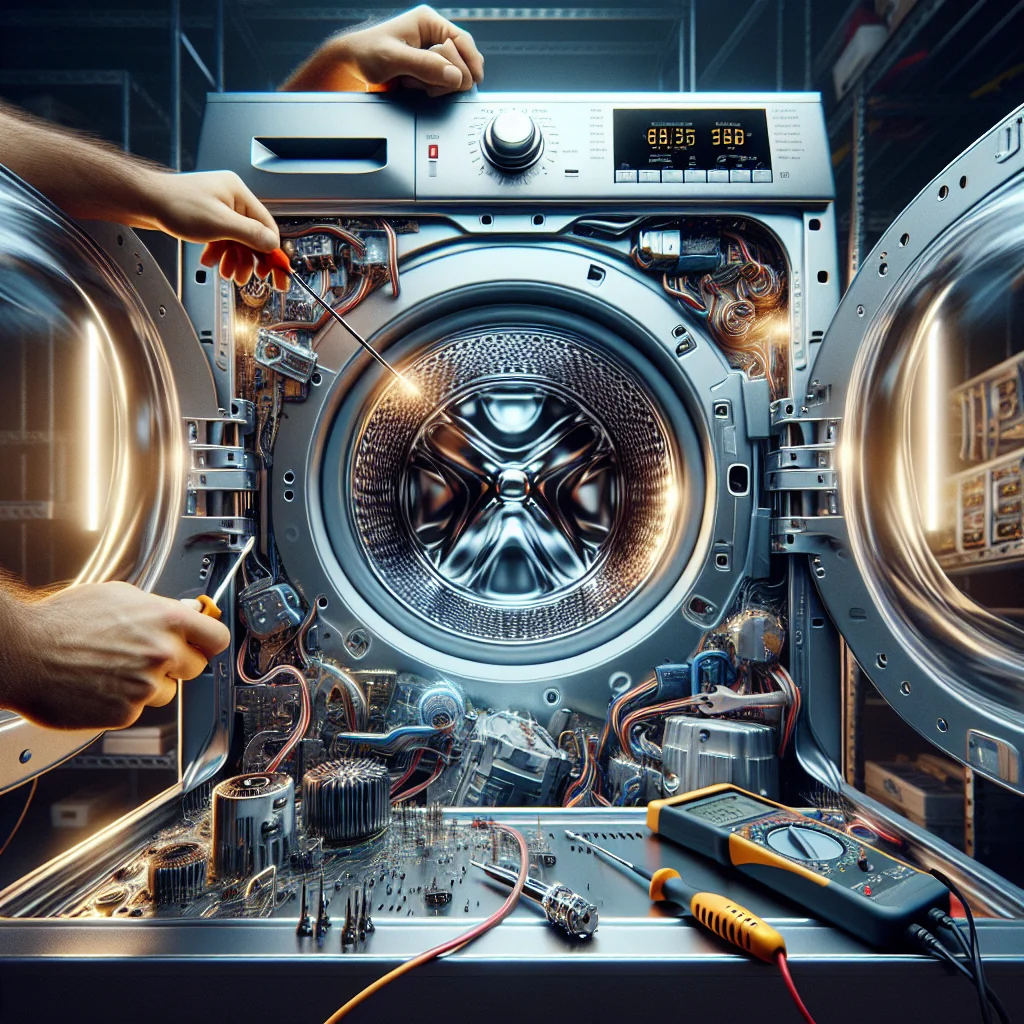
If your washer stops spinning or agitating, learning how to repair washing machine motor problems can save you a service call. This guide walks you through safe, practical steps to diagnose and repair a washing machine motor, with clear advice on when to stop and call a professional.
The focus here is your washer motor, but the method is useful for many home repairs. You will use the same habits of safety, inspection, and testing that also help with tasks like laptop repair, fixing sticky keyboard keys, or clearing a printer jam.
Before You Start: Safety Basics, Tools, and Motor Types
Working on a washing machine motor means dealing with electricity, moving parts, and heavy components. Plan the job, clear the area around the washer, and give yourself enough time so you do not rush and make mistakes.
Gather simple tools: Phillips and flat screwdrivers, a socket set, a flashlight, work gloves, and a multimeter if you plan to test electrical parts. Keep a small container for screws and take photos as you go so reassembly is easier.
Essential safety rules for motor repair
Follow these rules every time you open an appliance or any electronic device.
- Unplug the washing machine from the wall, and turn off its water valves.
- Wear shoes with rubber soles and avoid working on a wet floor.
- Use insulated screwdrivers and keep metal jewelry off your hands and wrists.
- Label and photograph wires before disconnecting them from the motor.
- Never bypass safety switches or run the washer with panels removed.
If you smell burning, see melted wiring, or find a cracked motor housing, replacement is usually safer than repair. Most modern washers use one of three motor types: AC induction motors, universal brushed motors, or brushless direct-drive motors. The basic access steps are similar, but repair options differ slightly between them.
Step 1: Confirm the Motor Is Really the Problem
Before you focus on how to repair washing machine motor faults, rule out simpler causes. Many “dead” motors are victims of a bad lid switch, broken belt, jammed pump, or faulty control board.
Start with a quick test cycle. Listen and watch what the washer does when it should spin or agitate. Note any humming, clicking, or silence, and whether the drum moves at all.
Common symptoms and what they usually mean
Use these patterns as a first-pass diagnosis before you pull the washer apart. The table below links typical symptoms to likely causes so you can decide whether the motor is the real suspect.
Typical washer symptoms and likely causes
| Symptom | What you usually hear/see | Most likely causes |
|---|---|---|
| Washer fills, then does nothing | Water enters, then silence | Lid switch, door lock, or control board fault |
| Washer hums but drum does not move | Low humming, no drum movement | Jammed motor, seized bearings, broken belt or coupler |
| Washer spins weakly or stops under load | Starts to spin, then slows or stops | Worn motor, weak capacitor, or slipping belt |
| Burning smell or loud grinding | Harsh grinding or hot electrical smell | Damaged motor bearings or internal windings |
Use this table as a guide, not a final verdict. Many symptoms overlap, so you still need a step-by-step check before you buy parts or pull the motor out. Run through a short sequence: confirm power at the outlet, test the lid switch or door lock, inspect the belt or drive system, and then run a spin-only cycle while you listen for humming, grinding, or silence.
Step 2: Access the Washing Machine Motor Safely
The access point depends on whether you have a top-loader or front-loader. Always unplug the machine and move it away from the wall to give yourself space before removing panels.
Top-loaders usually have the motor mounted low, accessed from a rear or front lower panel. Many front-loaders use a bottom front panel or rear access. Look carefully for screws, clips, or hidden tabs along the panel edges.
Opening the cabinet and reaching the motor
Remove the access panel and set it aside with its screws. Once open, you should see the drive belt, motor, and possibly a transmission or direct-drive assembly, depending on the design.
Shine a light inside and take several photos of the wiring harnesses and motor orientation. This habit also helps for other DIY tasks like laptop repair or game console battery replacement, where reassembly order matters and wires must go back exactly as they were.
Step 3: Visual Inspection of Motor, Belt, and Wiring
Now that you can see the motor, do a careful visual inspection before you disconnect anything. Many problems are obvious once you look closely and use a light.
Check the belt, if present, for cracks, glazing, or slack. Spin the motor shaft by hand; it should turn smoothly without grinding or stiff spots. Look for loose connectors or scorched wires leading to the motor.
What to look for during inspection
Use your light and eyes before you use your tools.
- Belt or coupler damage: Broken, frayed, or missing pieces will stop the drum even with a good motor.
- Burn marks or melted insulation: Suggests overheating or shorted windings; replacement is often safer.
- Loose or corroded connectors: Can cause intermittent motor operation or total failure.
- Excessive dust or lint build-up: Can trap heat and stress the motor over time.
If you spot only a worn belt or damaged coupler, replacing that part may solve the issue without touching the motor. Start with the cheapest, simplest likely fault first, then move to more complex checks if the problem remains.
Step 4: Electrical Checks on the Motor and Capacitor
If the visual inspection looks normal, the next stage in how to repair washing machine motor problems is electrical testing. A basic multimeter can check continuity and resistance on most motors and their start capacitors.
Before testing, disconnect the wiring harness from the motor and, if fitted, discharge any capacitors by following the manufacturer’s instructions. Do not touch capacitor leads with bare hands, and avoid shorting them directly with tools.
Basic motor and capacitor tests
Set your multimeter to the correct range, keep your hands clear of live parts, and work through these checks in order.
- Continuity between motor terminals: Test each pair of terminals. You should see some resistance, not infinite and not zero. An infinite reading suggests a broken winding.
- Check for shorts to ground: Place one probe on a motor terminal and the other on the metal motor body. A reading close to zero means the motor is shorted and unsafe.
- Capacitor test (if present): Many meters have a capacitance setting. Compare the reading to the value printed on the capacitor’s case. A large mismatch means the capacitor should be replaced.
The table below summarizes what common multimeter readings mean during these checks.
Typical multimeter readings for washing machine motor checks
| Test | Likely reading | What it suggests |
|---|---|---|
| Continuity between motor terminals | Low to medium resistance | Windings are intact and not open |
| Continuity between motor terminals | Infinite (open circuit) | Broken or burnt winding |
| Short to ground test | Infinite (no continuity) | Motor is not shorted to the frame |
| Short to ground test | Near zero ohms | Shorted motor, unsafe to use |
| Capacitance check | Close to printed value | Capacitor is likely good |
| Capacitance check | Far from printed value or no reading | Capacitor is faulty and should be replaced |
If the motor fails any of these tests, repair often means replacing the motor assembly. Internal motor rewinding is usually a specialist job, so most home users choose a full replacement motor that matches their washer model.
Step 5: Replacing or Refitting the Motor
When tests point to a failed motor, the most realistic DIY repair is swapping the old motor for a compatible new or refurbished unit. This step is mostly mechanical: remove the old motor, transfer any needed parts, and reinstall the replacement.
Use your photos to keep track of wiring and orientation. If your washer uses a drive coupler, belt, or mounting brackets, note their positions before removal so you can refit the motor correctly.
Parts you may transfer to the new motor
Common parts you may move from the old motor to the new one are shown below.
| Part | What to check or transfer |
|---|---|
| Pulley or drive wheel | Move to the new motor and tighten the set screw or nut securely. |
| Mounting brackets | Match orientation so bolt holes line up with the frame. |
| Rubber isolators or grommets | Inspect for cracks and reuse only if still flexible. |
| Wire clips or strain reliefs | Reattach to keep wiring away from moving parts. |
Take your time during this transfer stage. A loose pulley, missing bracket, or misrouted wire can cause noise, vibration, or new faults once the washer runs again, even if the new motor itself is perfect.
Motor removal and installation steps
Follow this general sequence for how to repair washing machine motor assemblies safely. Read all steps once before you begin so you understand the flow of the job.
- Unplug the washer and confirm power is off.
- Disconnect the wiring harnesses from the motor and capacitor.
- Loosen or remove the drive belt from the motor pulley, or separate the direct drive coupler.
- Remove mounting bolts or clips holding the motor to the frame.
- Support the motor with one hand and slide it out carefully.
- Position the new motor, align mounting points, and secure bolts or clips.
- Reinstall the belt or coupler, matching the original routing.
- Reconnect wiring harnesses exactly as in your reference photos.
- Double-check all connections and clearances before closing the cabinet.
After you finish these steps, inspect the area for leftover screws, tools, or loose wires. Once reassembled, run a short test cycle with the washer empty and listen for unusual noises or vibration so you can correct problems before regular use.
Step 6: Testing, Noise Checks, and Final Adjustments
With your new or repaired motor in place, the last part of how to repair washing machine motor issues is careful testing. Do not push the washer back into a tight space yet; keep panels loosely fitted so you can observe.
Run a wash and spin cycle with a small load of towels. Watch for wobble, listen for squeals, and feel for excessive vibration. Adjust belt tension or re-seat the motor if you hear belt slip, grinding, or harsh buzzing.
What a healthy motor should sound and feel like
A healthy washer motor should start smoothly, with a steady hum and no burning smell. Some whirring is normal, but clanking, scraping, or loud buzzing are warning signs. If you hear electrical arcing or see sparks, unplug the machine at once.
Let the washer complete a full cycle before you declare the job finished. If performance is smooth and there are no leaks, smells, or odd sounds, you can refit all panels firmly and slide the machine back into place.
Quick DIY Habits That Make Motor Repair Easier
Good habits make how to repair washing machine motor tasks safer and less stressful. They also apply to many other home and tech repairs.
Document each step with photos, label wires with tape, and keep hardware grouped by panel or part. These small actions reduce the chance of mistakes when you reassemble complex items.
Simple practices that build repair confidence
Use these ideas to keep your repair work organized and calm.
- Work in stages: Tackle inspection, testing, and replacement as separate mini-jobs.
- Use containers: Cup or tray sections for screws from each panel or assembly.
- Clean as you go: Wipe dust and lint from vents, fans, and motor housings.
- Keep a notebook: Jot down wire colors, part numbers, and test readings.
The more you practice these steps on small repairs, the easier larger projects feel. Over time, you gain a calm, methodical approach that works for appliances, electronics, and general home maintenance.
When to Stop DIY and Call a Professional
DIY repair is rewarding, but not every problem should be handled at home. Knowing when to stop protects you, your home, and your gear, especially for high-voltage appliances and sealed systems.
For washing machines, call a pro if you see major water leaks from the tub, structural cracks, or control boards with obvious burn damage. Also seek help if the motor wiring is badly melted, the drum support is broken, or your tests point to a complex electronic fault you do not understand.
Signs that professional help is the safer choice
Watch for these red flags while you work.
- Strong burning smell that returns even after cleaning and part replacement.
- Repeated tripping of breakers or fuses when the washer runs.
- Visible cracks in the drum, frame, or motor mount points.
- Confusing wiring that does not match diagrams or your photos.
If any of these appear, stop and get a quote from a qualified technician. Replacing a whole washer can be cheaper than damaging floors with leaks or risking electric shock from hidden faults.
Bringing It All Together
Learning how to repair washing machine motor faults teaches you core DIY skills: safe disassembly, careful inspection, simple electrical testing, and patient reassembly. These same habits help with many other jobs, from fixing a sticky keyboard to cleaning a laptop fan or tightening loose glasses.
Work slowly, document each step, and test carefully after every repair. With this approach, your washer can run for years longer, and you gain the confidence to handle many other practical home fixes in a safe, organized way.